The fall semester is now in full swing at colleges and universities across the country. In preparation for students’ return, many schools updated their policies around protests, harassment, and discrimination, from the University of California and the California State University systems to Harvard University, Indiana University, the University of Virginia, and NYU. At the end of August, chair of the House Committee on Education and the Workforce Virginia Foxx and Missouri Rep. Jason Smith sent letters to institutions requesting that they share their updated plans for responding to campus demonstrations by September 5. Throughout the summer, several colleges and universities facing Title IV investigations were found to be lacking in their responses to antisemitism.
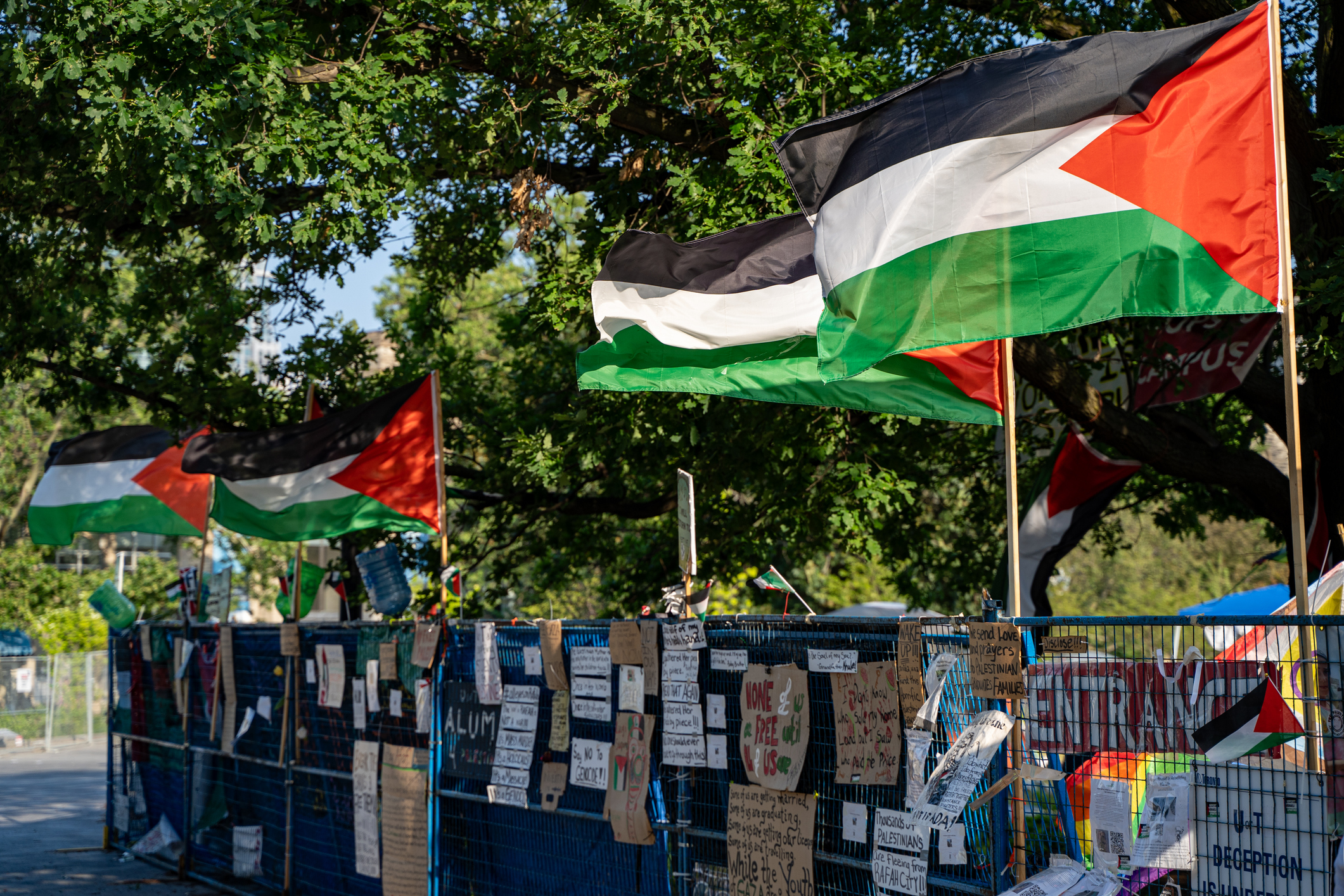
Protest activity has continued into the new semester, although at this point, it is not at the same scale we saw last spring. Cornell made headlines at the end of last month for campus demonstrations that included vandalism of school property. The Wall Street Journal reported last week that some 50 people protested at Columbia, and that a statue at the center of campus was vandalized with red paint. The story came only a few days after the WSJ also reported that a faculty task force “found antisemitism against students pervasive on the campus grounds—in dormitories, clubs and classrooms—and on social media.”
Colleges and universities find themselves in a precarious position with the electorate in how they choose to handle any protests that might arise this semester. From the April survey for Winning the Issues, conducted as the protest activity was ramping up last spring, only 19% of voters approved of how colleges and universities had handled the campus demonstrations (19-53 approve- disapprove). That shrank to 12% approving among independents (12-57).
Similarly, only 23% of voters overall said they agreed with the pro-Palestinian protests happening on college campuses (23-53 agree-disagree). Independents disagreed 19-54.

Voters were clearly dissatisfied with what they saw last spring. That independents were also dissatisfied indicates a larger potential problem that is not inherently partisan in nature. Whether the policy changes that colleges and universities made over the summer will effectively address student concerns and positively impact voters’ views is something we will continue to watch.